V roku 2018 dosiahli objemy transakcií s nehnuteľnosťami rekordný
objem 1,75 bilióna USD; medziročný rast o 4% a prekonanie objemu
transakcií v 2017 vo výške 1,68 bilióna USD, podľa aktuálnych
údajov…
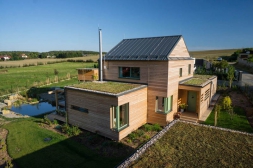
Ministerstvo dopravy a výstavby SR bude mať od mája vytvorené podmienky
pre nový príspevok na novostavby rodinných domov vo výške 8000 eur. Táto
podpora má motivovať občanov, aby svoje novostavby rodinných domov stavali
s vlastnosťami budov s takmer nulovou potrebou energie. Táto úroveň
výstavby bude po roku 2020 vyžadovaná pri každej novostavbe.
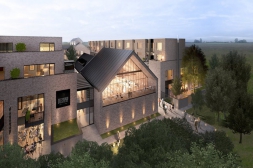
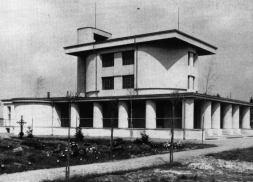
Bratislava prišla už o veľa industriálnych stavieb. O to vzácnejšie
je, že si zachová jeden ikonický objekt na periférii, ktorý za uplynulého
režimu svojou konštrukciou akoby vytváral pomyselnú bránu do Rakúska,
slobodného sveta za železnou oponou. Po rokoch chátrania jarovská sýpka
pozostávajúca z dvoch prepojených budov opäť ožije vďaka odhodlaniu
niekoľkých nadšencov a dokonca má ambíciu stať sa jedným z kultúrnych
stánkov hlavného mesta.
Ceny bytů a obytných domů na Slovensku ve třetím čtvrtletí stouply na
téměř desetileté maximum. Tempo meziročního růstu cen těchto
nemovitostí bylo ale nejpomalejší od začátku roku 2016. Metr čtvereční
v bytech a domech na Slovensku stál ve třetím kvartálu letošního roku
v průměru 1 433 eur (37 090 Kč). Ve srovnání se stejným obdobím
loňského roku to je nárůst o 4 %. Za svým vrcholem z roku
2008 průměrná cena bydlení na Slovensku zaostává o 7,5 %. Samotné byty
ale zdražily na nové maximum. Tradičně nejdražší bydlení na Slovensku je
v Bratislavském kraji, kde je i nejvyšší životní úroveň
z celé země.
Týždeň zelených budov na Slovensku, ktorý sa každoročne koná
súbežne so Svetovým týždňom zelených budov, aj tento rok pripomenie
dôležitosť udržateľných stavieb a ich vplyvu na zdravie ľudí a kvalitu
životného prostredia. Podujatia, ktorých cieľom je informovať odborníkov
i širokú verejnosť o dôležitosti zelených budov sa uskutočnia od 24.9.
do 2.10.2018.
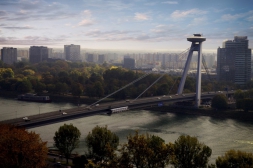
Slovenskou metropoli čekají kvůli výstavbě nového dálničního
obchvatu a související rychlostní silnice dopravní omezení. Začnou
v příštích týdnech a dotknou se také mostu na dálnici D1 přes řeku
Dunaj, který využívá nejen městská doprava, ale i řidiči při tranzitu
přes metropoli ve směru na sever země. Kvůli omezení podle odhadu ještě
více zhoustne doprava v dotčených částech Bratislavy, kde se již
v současnosti v dopravní špičce vytvářejí zácpy.
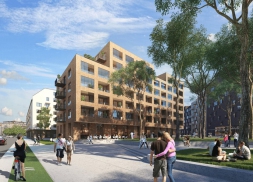
Spoločnosť YIT Slovakia získala súhlasné záväzné stanovisko hl. mesta
pre výstavbu prvej etapy rezidenčno-administratívneho komplexu ZWIRN. Noví
obyvatelia sa môžu tešiť na bývanie v atraktívnej lokalite, výhľad na
námestie pred Pradiarňou a k tomu príjemný vnútroblok so zeleňou a
detskými ihriskami. Predpokladaný začiatok výstavby je jeseň 2019, jej
ukončenie o dva roky neskôr.
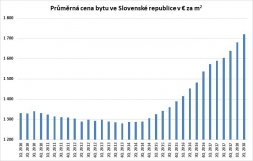
Růst cen bytů na Slovensku zrychlil v letošním 2. čtvrtletí tempo a
průměrná cena za metr čtvereční bytu vzrostla na 1 720 eur (cca 44 300
korun dle aktuálního kurzu). Meziročně jde o nárůst o 8,2 %, v 1.
čtvrtletí letošního roku přitom činil meziroční růst cen 6,8 % a ve 4.
čtvrtletí loňského roku 6,6 %. Údaje vyplývají z aktuálních dat
Národní banky Slovenska (NBS).
U příležitosti oslav výročí 100. let vzniku Československa vznikl
projekt České a slovenské stavby století. V rámci něho odborníci vybrali
100 nejvýznamnějších staveb – 66 z Česka a 34 ze Slovenska.
Vypisovatelé projektu jsou Česká komora autorizovaných inženýrů a
techniků, Český svaz stavebních inženýrů, Slovenská komora stavebných
inžinierov, Slovenský zväz stavebných inžinierov a SIA – Rada pro
výstavbu ČR.
V USA sa z dreva stavajú už bežne i obytné bloky, v Austrálii je
zasa možné realizovať drevostavby až do výšky 8 poschodí, rovnako ako vo
Fínsku. V tomto trende však opäť majú náskok Japonci.